
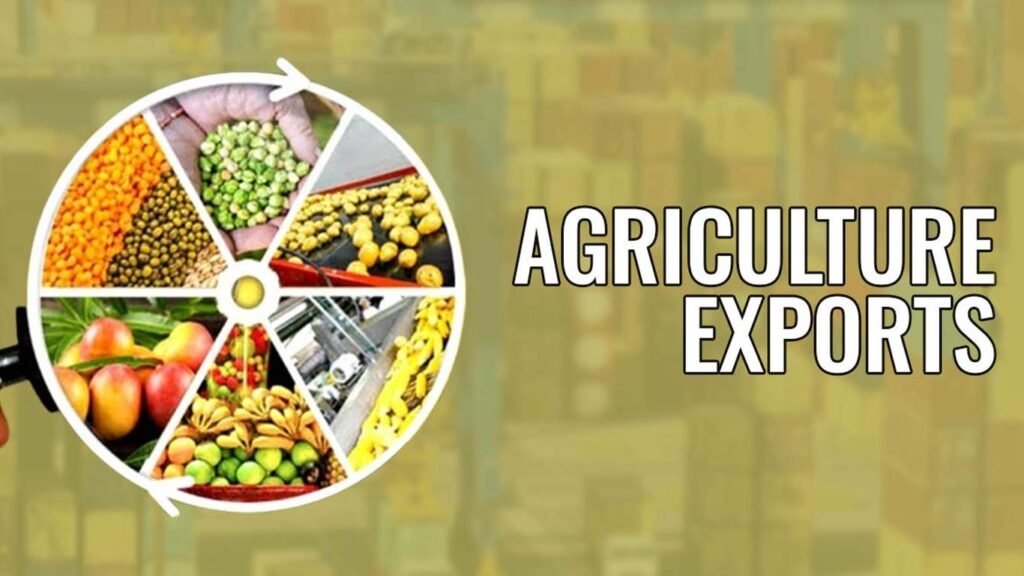
Introduction: Why Quality Standards for Agriculture Exports
Exporting agricultural products to Europe and Africa is a major opportunity for global suppliers, traders, and farmers. However, these markets have strict quality standards designed to protect consumers, ensure food safety, and promote fair trade practices.
Failure to meet these standards can result in:
- Shipment rejections
- Financial losses
- Import bans
- Damage to exporter reputation
For companies involved in bulk agricultural products trading, understanding and complying with European and African quality regulations is not optional — it is essential for long-term success.
Exporters like Elliscombe Farm Ltd follow internationally recognized standards to ensure agricultural products meet the regulatory requirements of both European and African markets.
Bulk Agricultural Products Trading
Overview of Agricultural Export Regulations
Different Markets, Different Rules
While Europe and Africa share some common food safety principles, their regulatory frameworks differ in structure and enforcement.
- Europe: Highly regulated with centralized oversight and strict traceability rules
- Africa: Regulations vary by country, often aligned with international standards
Exporters must comply with destination-specific regulations while maintaining consistent global quality benchmarks, Quality Standards for Agriculture Exports.
Quality Standards for Exporting Agricultural Products to Europe
European Union Food Safety Framework
The European Union has one of the strictest food safety systems in the world. Agricultural imports must comply with EU regulations covering:
- Food safety
- Animal health
- Plant health
- Environmental protection
- Consumer transparency
Key EU regulatory bodies include:
- European Food Safety Authority (EFSA)
- Directorate-General for Health and Food Safety (DG SANTE)
Key EU Quality Requirements
1. Traceability
EU regulations require full traceability from farm to consumer. Exporters must maintain records covering:
- Farm origin
- Production methods
- Processing facilities
- Transport and storage conditions
This ensures quick response in case of food safety issues, Quality Standards for Agriculture Exports.
2. Hygiene and Food Safety (HACCP)
All agricultural products must be produced, processed, and handled under HACCP (Hazard Analysis and Critical Control Points) systems.
This includes:
- Clean processing environments
- Controlled temperatures
- Sanitary transport
- Regular inspections
EU food hygiene rules explained by the European Commission
3. Maximum Residue Levels (MRLs)
The EU strictly controls pesticide and veterinary drug residues. Products exceeding Maximum Residue Levels (MRLs) are rejected at the border, Quality Standards for Agriculture Exports.
Exporters must:
- Use approved chemicals only
- Follow withdrawal periods
- Conduct residue testing before shipment
4. Animal Welfare Standards
For meat and animal products, Europe enforces high animal welfare requirements including:
- Humane handling
- Approved slaughter methods
- Veterinary supervision
- Transport welfare standards
These rules apply to products like beef, bison, poultry, and dairy, Quality Standards for Agriculture Exports.
Certifications Required for EU Exports
Common certifications include:
- Health certificates
- Veterinary certificates
- Phytosanitary certificates
- Certificates of origin
- ISO and HACCP certifications
Some buyers may also require:
- Organic certification
- GlobalG.A.P.
- BRC or IFS standards
Quality Standards for Exporting Agricultural Products to Africa
Regulatory Landscape in Africa
Africa’s agricultural import standards are governed by:
- National food safety authorities
- Regional economic communities
- International standards organizations
While enforcement varies by country, quality compliance is increasingly important as African markets modernize, Quality Standards for Agriculture Exports.
Common Quality Requirements Across African Markets
1. Compliance with Codex Alimentarius
Many African countries base their food safety regulations on Codex Alimentarius, developed by FAO and WHO.
This includes:
- Food hygiene practices
- Maximum residue limits
- Labeling requirements
- Additive controls
Codex Alimentarius standards by FAO & WHO
2. Phytosanitary and Veterinary Controls
Agricultural imports must be free from:
- Plant pests
- Animal diseases
- Contaminants
Phytosanitary certificates and veterinary health certificates are mandatory for most agricultural products, Quality Standards for Agriculture Exports.
3. Product Quality and Shelf Life
African importers prioritize:
- Product freshness
- Proper packaging
- Clear labeling
- Suitable shelf life for transport distances
Poor-quality or expired products are commonly rejected.
Labeling Requirements for African Markets
Labels typically must include:
- Product name
- Country of origin
- Production and expiry dates
- Storage instructions
- Batch or lot numbers
Language requirements may vary depending on the importing country, Quality Standards for Agriculture Exports.
Importance of Quality Control in Bulk Agricultural Exports
Preventing Rejections and Losses
Quality control protects exporters from:
- Border rejections
- Port delays
- Financial penalties
- Contract disputes
Pre-shipment inspections and laboratory testing reduce risks significantly.
Building Long-Term Buyer Trust
Buyers in Europe and Africa prefer suppliers who:
- Deliver consistent quality
- Meet regulatory standards
- Provide transparent documentation
- Maintain reliable supply chains
This trust leads to repeat orders and long-term contracts.
Global Agricultural Export Solutions
Packaging and Storage Standards for Export Markets
Export-Grade Packaging
Bulk agricultural products must be packaged to:
- Prevent contamination
- Maintain freshness
- Withstand long-distance transport
- Comply with destination regulations
Common packaging formats include:
- Vacuum-sealed bags
- Food-grade cartons
- Palletized bulk packaging
- Temperature-controlled containers
Cold Chain Requirements
For perishable products such as meat and dairy, maintaining the cold chain is critical, Quality Standards for Agriculture Exports.
This includes:
- Temperature-controlled storage
- Refrigerated transport
- Continuous monitoring
- Cold chain documentation
Failure in cold chain management can result in product spoilage and rejection.
Documentation Required for Europe & Africa Exports
Typical export documentation includes:
- Commercial invoice
- Packing list
- Bill of lading
- Health or phytosanitary certificate
- Certificate of origin
- Insurance documents
Accurate documentation ensures smooth customs clearance, Quality Standards for Agriculture Exports.
Role of Exporters in Ensuring Compliance
Professional exporters manage:
- Regulatory updates
- Quality audits
- Supplier training
- Pre-shipment inspections
- Buyer-specific requirements
Companies like Elliscombe Farm Ltd invest in compliance systems to ensure agricultural products meet international standards consistently.
Future Trends in Agricultural Export Standards
Quality standards for agricultural exports will continue to evolve with focus on:
- Sustainability and environmental impact
- Ethical sourcing and fair trade
- Digital traceability systems
- Reduced chemical usage
- Carbon footprint reporting
Exporters who adapt early will gain a strong competitive advantage, Quality Standards for Agriculture Exports.
Conclusion
Meeting quality standards for exporting agricultural products to Europe and Africa is essential for success in international trade. From food safety and traceability to certifications, packaging, and documentation, every step matters.
Exporters who prioritize quality, compliance, and transparency not only avoid costly rejections but also build strong, long-term relationships with global buyers.
For businesses seeking reliable bulk agricultural exports, working with experienced suppliers ensures smooth market access and sustainable growth.
Quality Standards for Agriculture Exports to Europe & Africa(FAQ’s)
What quality standards must US agricultural exports meet for Europe and Africa?
US agricultural exports must comply with international food safety and quality standards such as USDA regulations, HACCP (Hazard Analysis Critical Control Point), and ISO certifications. For Europe, stricter EU regulations apply, including traceability and pesticide limits, while African countries may have varying import requirements depending on the region.
What certifications are required for exporting agricultural products from the USA?
Common certifications include USDA Organic, Global GAP (Good Agricultural Practices), HACCP, ISO standards, and phytosanitary certificates. These ensure that agricultural products meet safety, quality, and compliance requirements for export to Europe and Africa.
Why are phytosanitary certificates important for agricultural exports?
Phytosanitary certificates confirm that agricultural products are free from pests, diseases, and contaminants. They are mandatory for exports from the USA to Europe and Africa to ensure the safety of imported food and protect local agriculture.
How do EU regulations differ from African import standards for agriculture?
The European Union has stricter and more standardized regulations, including maximum residue levels (MRLs), traceability systems, and sustainability requirements. In contrast, African countries may have more flexible but diverse standards, requiring exporters from the USA to check country-specific regulations.
How can exporters ensure compliance with global agricultural quality standards?
Exporters can ensure compliance by conducting regular quality checks, maintaining proper documentation, obtaining required certifications, and working with certified inspection agencies. Staying updated with international trade regulations also helps US exporters meet standards in Europe and Africa.
