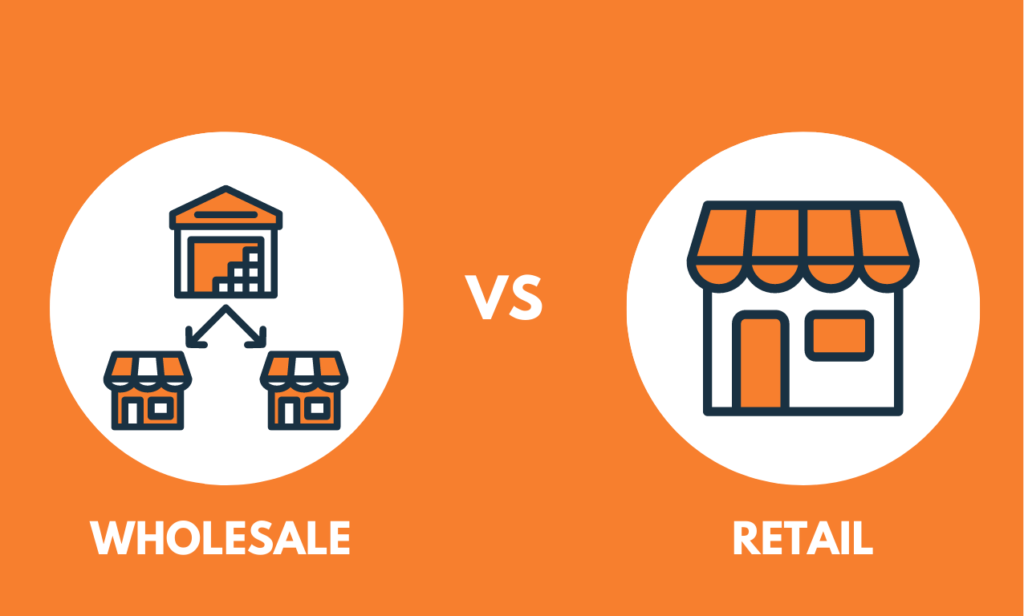
Introduction: Wholesale vs Retail Agricultural Products, Choosing the Right Buying Model for Your Business
For businesses dealing in food, agriculture, hospitality, manufacturing, or exports, how you buy agricultural products can directly impact profitability, consistency, and long-term growth.
The most common dilemma businesses face is choosing between:
- Wholesale agricultural products, or
- Retail buying of agricultural products
Each model has its own advantages and limitations, depending on business size, demand volume, budget, and operational goals.
In this blog, we’ll break down wholesale agricultural products vs retail buying, compare costs, quality, supply chain efficiency, and help you decide what’s better for businesses operating at different scales.
Businesses working with bulk suppliers like Elliscombe Farm Ltd often prefer wholesale for long-term scalability and reliability.
Bulk Agricultural Products Trading
Understanding Wholesale Agricultural Products
What Is Wholesale Buying?
Wholesale agricultural buying involves purchasing large quantities of products directly from producers, processors, or export suppliers at lower per-unit prices, Wholesale vs Retail Agricultural Products.
Wholesale buyers typically include:
- Food manufacturers
- Restaurants and hotel chains
- Meat processors
- Exporters and importers
- Distributors and resellers
Key Characteristics of Wholesale Agricultural Products
- Bulk quantities
- Lower per-unit cost
- Direct supply chain access
- Consistent quality standards
- Long-term supplier relationships
Wholesale agricultural products commonly include:
- Meat and livestock products
- Grains, pulses, and seeds
- Spices and herbs
- Nuts and oils
- Vegetables and fruits
Understanding Retail Buying of Agricultural Products
What Is Retail Buying?
Retail buying refers to purchasing small quantities of agricultural products from supermarkets, local markets, or online retail platforms.
Retail buyers are usually:
- Small businesses
- Cafés and local restaurants
- Individual consumers
- Startups testing new products
Key Characteristics of Retail Buying
- Smaller quantities
- Higher per-unit prices
- Limited customization
- Convenience-focused
- Inconsistent availability
Retail buying prioritizes accessibility over efficiency and scalability, Wholesale vs Retail Agricultural Products.
Cost Comparison: Wholesale vs Retail Agricultural Products
Wholesale Cost Advantages
Wholesale agricultural products offer significant cost savings because:
- Middlemen are reduced or eliminated
- Logistics are optimized for bulk transport
- Suppliers offer volume-based discounts
Businesses buying wholesale often save 20%–50% per unit compared to retail prices.
This is especially critical for:
- Restaurants
- Export businesses
- Food processors
- Catering companies
Retail Cost Limitations
Retail prices include:
- Store margins
- Packaging costs
- Marketing expenses
- Multiple supply chain layers
For businesses with regular or high-volume needs, retail buying quickly becomes expensive and unsustainable, Wholesale vs Retail Agricultural Products.
Quality and Consistency Comparison
Wholesale: Consistent Quality Standards
Wholesale suppliers usually operate under:
- HACCP systems
- Export-grade quality checks
- Batch consistency controls
- Cold chain management (for perishables)
This ensures uniform product quality across shipments — essential for businesses with standardized recipes or production processes.
Quality Standards for Exporting Agricultural Products
Retail: Variable Quality
Retail quality can vary due to:
- Frequent stock rotation
- Different suppliers
- Storage conditions
- Handling practices
For businesses, this inconsistency can affect:
- Taste and texture
- Customer satisfaction
- Brand reputation
Supply Chain Reliability and Availability
Wholesale Supply Chain Benefits
Wholesale agricultural buying ensures:
- Long-term supply contracts
- Predictable availability
- Better demand forecasting
- Priority fulfillment during shortages
This is crucial during:
- Seasonal shortages
- Global supply disruptions
- High-demand periods
Farm-to-Market Supply Chain for Bulk Agricultural Products
Retail Supply Chain Challenges
Retail supply chains are designed for consumers, not businesses:
- Stockouts are common
- Limited bulk availability
- No supply guarantees
- No advance planning support
Businesses relying on retail risk operational delays, Wholesale vs Retail Agricultural Products.
Packaging and Customization Options
Wholesale Customization Advantages
Wholesale suppliers often offer:
- Custom packaging
- Private labeling
- Bulk formats
- Export-ready packaging
- Temperature-controlled solutions
This flexibility helps businesses align products with their branding and logistics needs, Wholesale vs Retail Agricultural Products.
Retail Packaging Limitations
Retail packaging is:
- Fixed in size
- Consumer-focused
- Often unsuitable for bulk use
- Less cost-efficient
Retail buying leads to higher packaging waste and inefficiency for businesses, Wholesale vs Retail Agricultural Products.
Compliance and Documentation
Wholesale Export-Ready Compliance
Wholesale agricultural exporters provide:
- Health certificates
- Phytosanitary certificates
- Certificates of origin
- Lab test reports
- Customs documentation
This is essential for international trade, especially in Europe and Africa, Wholesale vs Retail Agricultural Products.
FAO guidelines on agricultural trade and food safety
Retail: Limited Compliance Support
Retail sellers typically do not provide:
- Export documentation
- Batch traceability
- Compliance support
This makes retail buying unsuitable for export-oriented businesses.
Scalability for Growing Businesses
Wholesale Supports Growth
Wholesale agricultural products allow businesses to:
- Scale operations smoothly
- Lock in pricing
- Maintain consistent supply
- Expand into new markets
This makes wholesale ideal for businesses planning long-term expansion, Wholesale vs Retail Agricultural Products.
Retail Restricts Growth
Retail buying becomes a bottleneck when:
- Volumes increase
- Margins shrink
- Supply becomes unreliable
Retail is best suited for testing or very small-scale operations.
Wholesale vs Retail: Which Is Better for Different Businesses?
Wholesale Is Best For:
- Restaurants and hotel chains
- Food manufacturers
- Exporters and importers
- Meat processors
- Large retailers and distributors
Retail Is Best For:
- Small cafés
- Startups testing new products
- Short-term or emergency purchases
- Low-volume buyers
Environmental and Sustainability Considerations
Wholesale buying reduces:
- Packaging waste
- Transport emissions per unit
- Energy usage per product
Retail buying increases:
- Individual packaging
- Multiple transport stages
- Higher carbon footprint
Sustainability-focused businesses benefit more from wholesale sourcing, Wholesale vs Retail Agricultural Products.
Why Businesses Prefer Wholesale Agricultural Products
Key reasons businesses choose wholesale:
- Lower costs
- Reliable supply
- Consistent quality
- Export readiness
- Scalability
- Better margins
Suppliers like Elliscombe Farm Ltd support businesses with reliable wholesale agricultural solutions tailored for global markets.
Our Related Blogs:
How Global Buyers Source Bulk Agricultural Products Safely & Profitably
Quality Standards for Agriculture Exports to Europe & Africa
Why Bulk Agricultural Products Trading Is Growing Worldwide
Conclusion: Wholesale or Retail — What’s Better for Businesses?
When comparing wholesale agricultural products vs retail buying, the answer is clear for most businesses:
- Wholesale buying is better for cost efficiency, consistency, scalability, and long-term growth.
- Retail buying works only for small-scale or short-term needs.
For businesses aiming to grow, compete globally, and maintain strong margins, wholesale agricultural sourcing is the smarter choice.
Wholesale Vs Retail Agricultural Products Buying: What’s Better for Businesses?(FAQ’s)
What is the difference between wholesale and retail agricultural product buying in the USA?
Wholesale agricultural buying involves purchasing large quantities directly from producers or distributors at lower per-unit prices, while retail buying involves smaller quantities at higher prices through stores or local markets. Businesses in the USA often choose wholesale for cost efficiency and retail for flexibility.
Which is more profitable for businesses: wholesale or retail agricultural buying?
Wholesale buying is generally more profitable for businesses in the USA because it offers lower prices per unit, better margins, and consistent supply. However, retail buying may be beneficial for small businesses that do not require bulk quantities or large storage capacity.
What are the advantages of buying agricultural products wholesale?
Buying wholesale allows businesses to reduce costs, secure a stable supply, negotiate better deals, and improve profit margins. It is ideal for restaurants, distributors, and large-scale operations in the USA.
When should a business choose retail agricultural buying?
Businesses should choose retail buying when they need smaller quantities, have limited storage, or want to test product quality before committing to bulk purchases. It is also suitable for startups or niche businesses in the USA.
What factors should businesses consider when choosing between wholesale and retail?
Businesses should consider budget, storage capacity, demand volume, supply consistency, and logistics. In the USA, companies that prioritize scalability and cost savings typically prefer wholesale, while those needing flexibility may opt for retail.
