
farm-to-market supply chain USA
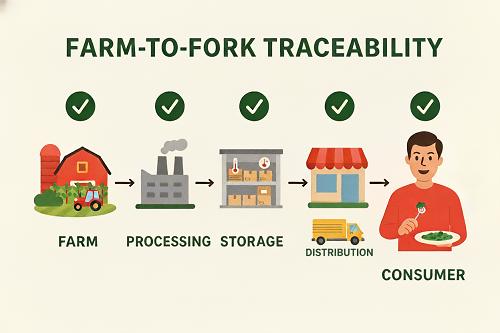
The farm-to-market supply chain USA plays a critical role in delivering bulk agricultural products USA efficiently from farms to global markets. A well-structured supply chain ensures product quality, reduces losses, and maximizes profitability.
In today’s competitive agricultural industry, businesses must understand every stage of the supply chain to stay ahead. This guide breaks down the 7 essential steps involved in moving agricultural products from farms to buyers worldwide.
1. Production and Harvesting
The supply chain begins at the farm, where crops are grown and harvested. Key factors include:
- Soil quality
- Farming techniques
- Weather conditions
Efficient harvesting ensures high-quality products and reduces waste.
👉 Related: 8 Organic vs Conventional Farming USA: Which Is Better for Bulk Buyers?
2. Initial Processing and Cleaning
After harvesting, products go through initial processing such as:
- Cleaning
- Sorting
- Grading
This step ensures that only high-quality products move forward in the supply chain, farm-to-market supply chain USA.
3. Storage and Warehousing
Proper storage is essential to maintain quality. Depending on the product, storage may involve:
- Silos for grains
- Refrigerated units for perishables
- Dry storage facilities
👉 Also read: 9 Quality Standards for Agricultural Exports USA Buyers Must Know
4. Packaging and Labeling
Packaging protects products during transportation and ensures compliance with export regulations. Key considerations:
- Durable packaging materials
- Proper labeling
- Certification details
Good packaging reduces damage and builds buyer confidence, farm-to-market supply chain USA.
5. Transportation and Logistics
Efficient logistics is crucial for timely delivery. This stage includes:
- Trucking
- Rail transport
- Shipping
👉 Learn more: 10 Steps to Start a Profitable Agricultural Import Export Business USA
6. Export Documentation and Compliance
Exporting agricultural products requires proper documentation, including:
- Export licenses
- Phytosanitary certificates
- Customs paperwork
Failure to comply can lead to shipment delays or rejection.
7. Distribution to Global Buyers
The final step is delivering products to buyers such as:
- Wholesalers
- Retailers
- Food manufacturers
A strong distribution network ensures repeat business and long-term success.
👉 Explore: How Global Buyers Source Bulk Agricultural Products Safely & Profitably
Why an Efficient Supply Chain Matters
A well-managed supply chain helps businesses:
- Reduce costs
- Maintain product quality
- Improve delivery speed
Efficiency in logistics directly impacts profitability and customer satisfaction, farm-to-market supply chain USA.
Challenges in Agricultural Supply Chains
Common challenges include:
- Weather disruptions
- Transportation delays
- Storage issues
Businesses must develop strategies to handle these risks effectively.
How to Optimize Your Supply Chain
To improve efficiency:
- Use modern logistics technology
- Partner with reliable suppliers
- Monitor every stage of the supply chain
Trusted suppliers like Elliscombe Farm Ltd help ensure smooth operations and consistent quality.
Future Trends in Agriculture Supply Chains
The future of the farm to market supply chain USA includes:
- Digital tracking systems
- Sustainable logistics
- Automation
These innovations are transforming the agricultural industry and improving global trade efficiency, farm-to-market supply chain USA.
Conclusion
Understanding the farm to market supply chain USA is essential for businesses dealing with bulk agricultural products. By optimizing each stage—from production to distribution—companies can reduce risks, improve efficiency, and maximize profits.
A strong supply chain is not just a necessity—it is a competitive advantage in today’s global agricultural market.
🔗 Outbound Link (DoFollow)
https://www.worldbank.org/en/topic/agriculture
Frequently Asked Questions (FAQs)
What is the farm-to-market supply chain USA?
The farm-to-market supply chain USA refers to the complete process of moving agricultural products from farms to end buyers, including harvesting, processing, storage, transportation, and distribution.
Why is the farm-to-market supply chain important in agriculture?
A strong farm-to-market supply chain ensures product quality, reduces post-harvest losses, improves delivery efficiency, and helps businesses maximize profits in the agricultural sector.
What are the main steps in the farm-to-market supply chain USA?
The key steps include production, harvesting, cleaning, storage, packaging, transportation, export documentation, and final distribution to global buyers.
How does logistics impact the agriculture supply chain?
Logistics plays a critical role by ensuring timely delivery, maintaining product freshness, and reducing damage during transit, especially for bulk agricultural products.
What challenges affect the farm-to-market supply chain USA?
Common challenges include weather conditions, transportation delays, storage limitations, supply chain disruptions, and fluctuating market demand.
