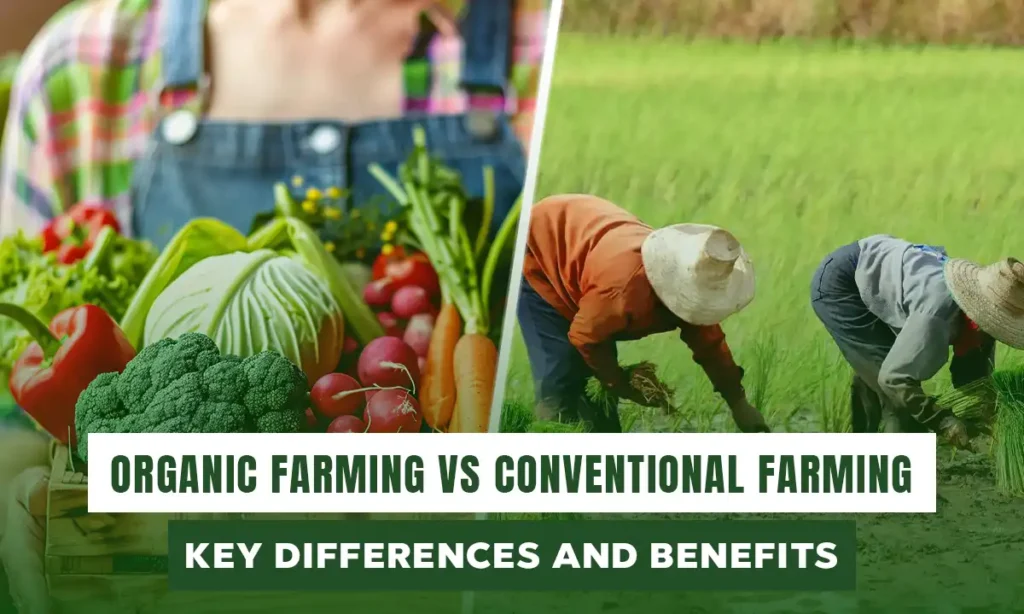
The debate around organic vs conventional farming USA has become more important than ever, especially for businesses sourcing bulk agricultural products USA. With growing consumer awareness and demand for healthier food options, buyers must carefully evaluate which type of farming aligns best with their business goals.
In this guide, we break down the key differences, advantages, and considerations to help bulk buyers make the right decision, organic vs conventional farming USA.
1. What Is Organic Farming?
Organic farming is a method of agriculture that avoids synthetic chemicals, pesticides, and genetically modified organisms (GMOs). Instead, organic vs conventional farming USA, it relies on:
- Natural fertilizers
- Crop rotation
- Biological pest control
Organic farming is gaining popularity in the USA due to increasing demand for clean and sustainable food products, organic vs conventional farming USA.
2. What Is Conventional Farming?
Conventional farming uses modern agricultural techniques, including:
- Chemical fertilizers
- Pesticides
- High-yield crop varieties
This method is widely used in the USA because it allows farmers to produce large quantities efficiently, making it ideal for bulk supply, organic vs conventional farming USA.
3. Key Differences Between Organic and Conventional Farming
Understanding the differences is essential for sourcing decisions:
- Production Scale: Conventional farming produces higher yields
- Cost: Organic products are more expensive
- Quality Perception: Organic is seen as healthier
- Shelf Life: Conventional products often last longer
These factors directly impact buyers dealing with bulk agricultural sourcing, organic vs conventional farming USA.
4. Benefits of Organic Farming for Bulk Buyers
Organic farming offers several advantages:
- Higher market demand
- Premium pricing opportunities
- Health-conscious consumer appeal
- Eco-friendly production
Businesses targeting premium markets in the USA and globally benefit significantly from organic sourcing.
👉 Related: 9 Global Agriculture Trade Trends USA Businesses Must Watch in 2026
5. Benefits of Conventional Farming
Despite the rise of organic products, conventional farming remains dominant due to:
- Lower production costs
- High availability
- Consistent supply
- Better scalability
For large-scale buyers, conventional farming is often more practical and profitable.
6. Cost Comparison for Bulk Buyers
Cost plays a major role in sourcing decisions:
- Organic products: Higher cost, higher margins
- Conventional products: Lower cost, high volume sales
Businesses must decide based on their target market and pricing strategy.
👉 Also read: Wholesale Vs Retail Agricultural Products Buying: What’s Better for Businesses?
7. Market Demand in the USA
The demand for organic food is growing rapidly in the USA, especially among:
- Health-conscious consumers
- Urban populations
- Premium food brands
However, conventional products still dominate due to affordability and availability.
8. Which Is Better for Bulk Agricultural Buyers?
The answer depends on business goals:
- Choose organic farming if targeting premium markets
- Choose conventional farming for large-scale distribution
Many businesses now adopt a hybrid approach to balance profitability and demand.
👉 Learn more: How Global Buyers Source Bulk Agricultural Products Safely & Profitably
Challenges in Organic and Conventional Farming
Both farming methods have challenges:
- Organic farming: Lower yield, higher cost
- Conventional farming: Environmental concerns
Buyers must evaluate these factors before making sourcing decisions.
How to Choose the Right Supplier
When sourcing agricultural products, always:
- Verify certifications (especially for organic products)
- Check supplier credibility
- Ensure consistent supply
Reliable suppliers like Elliscombe Farm Ltd help businesses maintain quality and trust.
Conclusion
The organic vs conventional farming USA debate ultimately depends on your business model and target audience. Organic farming offers premium opportunities, while conventional farming ensures volume and affordability.
For bulk buyers, the best strategy is to align sourcing decisions with market demand, pricing goals, and supply chain efficiency. By doing so, businesses can maximize profitability and stay competitive in the evolving agricultural market.
🔗 Outbound Link (DoFollow)
https://www.usda.gov/topics/organic
Frequently Asked Questions (FAQs)
What is the difference between organic and conventional farming in the USA?
Organic farming in the USA avoids synthetic chemicals, pesticides, and GMOs, focusing on natural methods. Conventional farming uses modern fertilizers, pesticides, and technology to increase crop yield and efficiency.
Which is better for bulk buyers: organic or conventional farming?
It depends on business goals. Organic farming offers premium pricing and growing demand, while conventional farming provides higher yields and lower costs, making it suitable for large-scale bulk agricultural buyers.
Are organic agricultural products more expensive than conventional ones?
Yes, organic products are generally more expensive due to higher production costs, certification requirements, and lower yield compared to conventional farming methods.
Why is demand for organic farming increasing in the USA?
Demand is increasing due to rising health awareness, environmental concerns, and consumer preference for chemical-free and sustainably produced food.
What are the benefits of conventional farming for bulk supply?
Conventional farming offers higher productivity, consistent supply, lower production costs, and the ability to meet large-scale demand for bulk agricultural products.
What certifications are required for organic farming in the USA?
Organic farming requires USDA organic certification, which ensures products meet strict standards related to soil quality, pest control, and use of natural inputs.
